Computational Drug Discovery, In-House

Nineteen tools. One lab bench. From molecule to mechanism, without leaving your own hardware.

Growdea builds the AI/ML and molecular-simulation software that used to require a bioinformatics team, a cluster, and months of setup — and puts it behind a graphical interface a wet-lab scientist can run in an afternoon. Docking, MD, generative chemistry, ADMET, toxicity, biosimilars and clinical safety, in one connected suite.

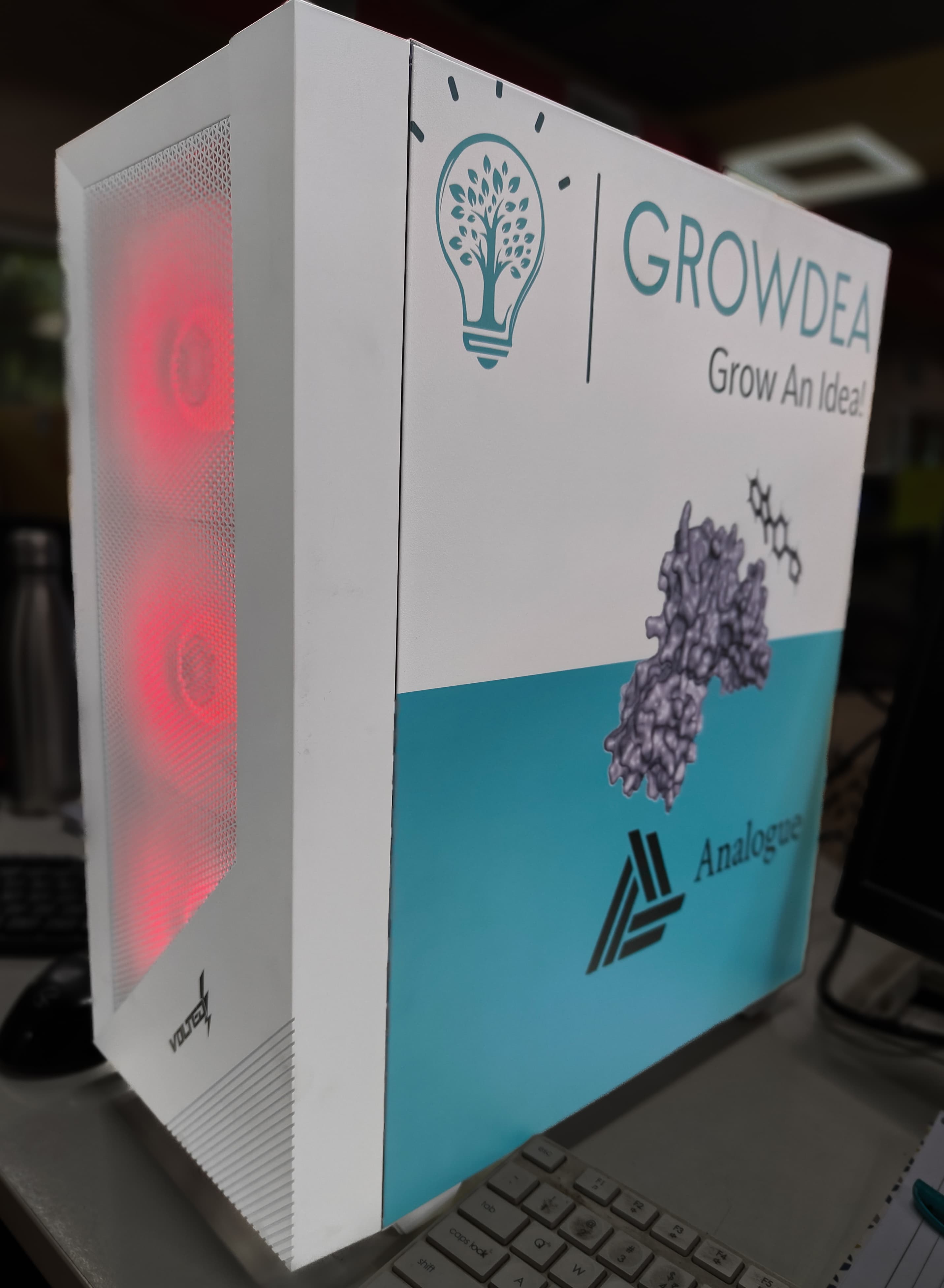
Growdea Analogue GPU workstation, delivered on-site with a lifetime hardware + software license
19
tools across 3 solution areas
700K+
fragment library (iFrag)
2.4M+
toxicity graph relationships
100%
offline / on your own hardware
Why scientists switch

Built so the computation gets out of the way

Growdea's own positioning, condensed from its client-facing benefits brief — every point below is a claim the company makes in writing, not marketing gloss we added.

No command line, anywhere

Docking, MD setup, trajectory analysis and QSAR modelling are all point-and-click. Force fields, solvation models and protein prep are automated — the interface is built for experts and first-time computational users alike.

Runs fully offline

Deployed on your own GPU workstation or server. Nothing proprietary — targets, compounds, sequences — ever leaves the building.

Hardware included

Ships with a GPU-enabled workstation or scalable cluster, 1-year hardware warranty, and a lifetime license on both the hardware and the software.

No renewal treadmill

Lifetime plan, free updates, no yearly or 3-yearly repurchase cycle for new features.

End-to-end pipeline

Virtual screening → docking → MD → ADMET → AI/ML prediction, with a direct hand-off into wet-lab validation.

A team, not a ticket queue

48-hour max response time, 40 hours/year of committed support, a 2-day onsite training workshop, and an India-based team with no time-zone gap.

Publication support

Assistance toward your first research publication using the platform, with co-publication and joint-project opportunities.

Validated before you buy

Every algorithm has already been run against real client problems through Growdea's fee-for-service work before it ships as product.

Platform 01 — The Analogue Suite

From molecule to mechanism, all in one platform

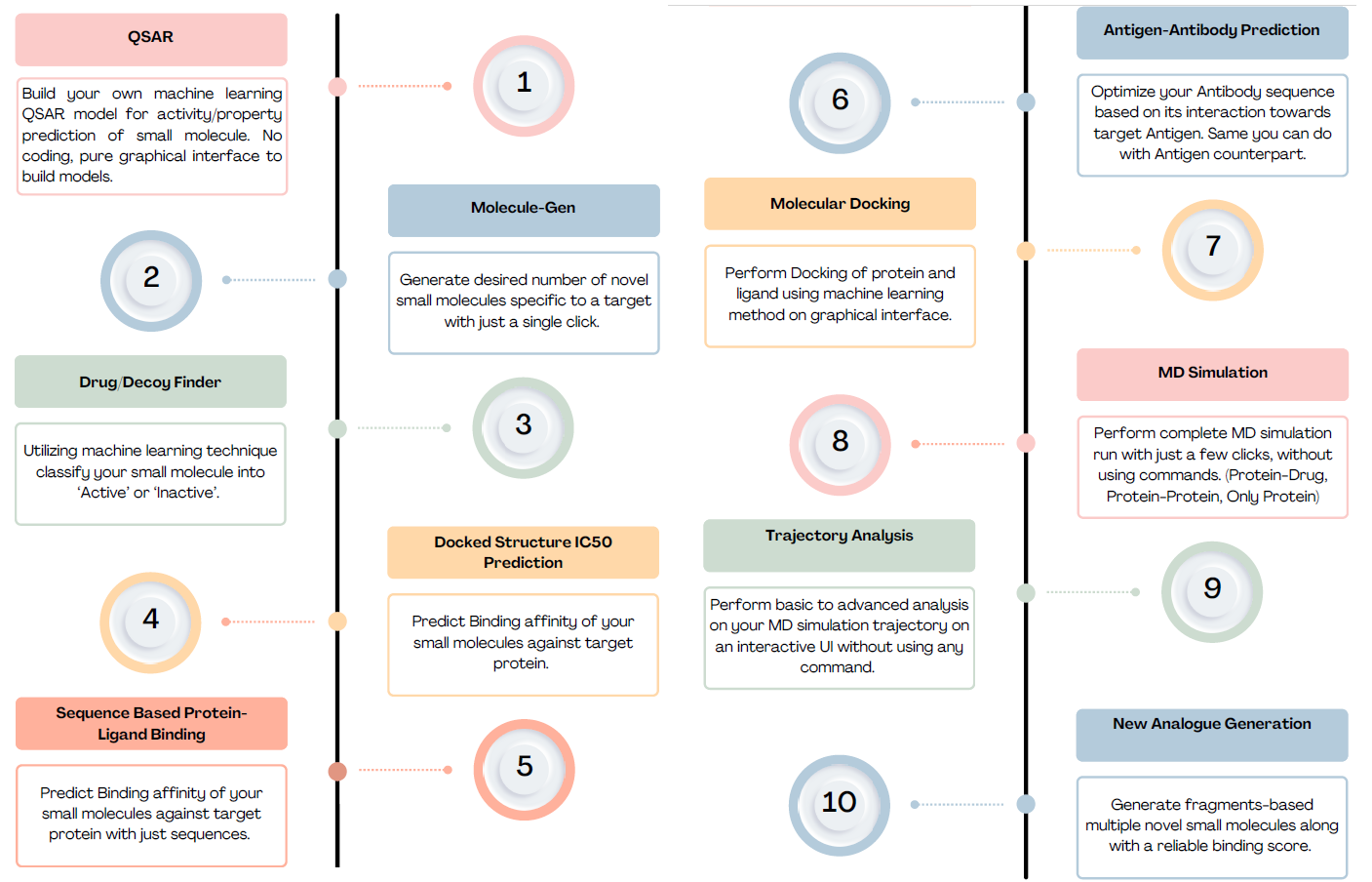
Twelve connected modules covering the full computational drug-discovery loop — molecule generation, docking, binding-affinity prediction, molecular dynamics, enhanced sampling, and fragment-based optimization — sharing one interface and one file format, so output from one module is input to the next.

Analogue platform workflow overview across all modules
QSARAna module

01QSARAna — "QUASAR"

ScienceNo-code, ligand-based QSAR/ML modelling — feed in SMILES plus activity data and build a predictive model from a library of 1,500+ chemical descriptors.
EasePoint-and-click model building — linear regression through random forest and neural nets, zero scripting.
USP1,500+ descriptors and a full algorithm menu in one no-code environment.
Manual available on request
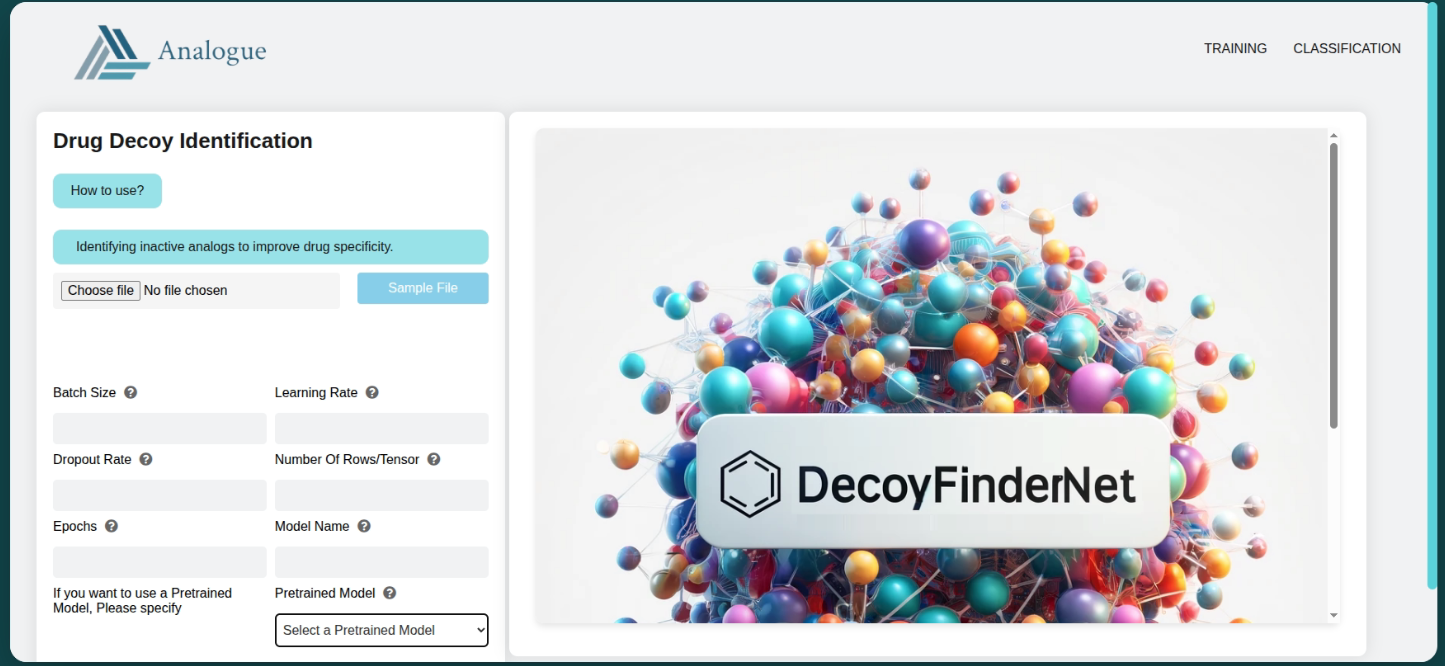
DecoyFinder-NetAna live interface

02DecoyFinder-NetAna

ScienceGraph Neural Network classifier, trained on the DUDE decoy database, that separates true active binders from inactive decoys in a screening library.
Ease~102 pretrained models ready to use out of the box, or retrain on your own actives/decoys.
USPSample model accuracy of 0.944 — reported with plotted validation, not a black-box score.
Manual available on request
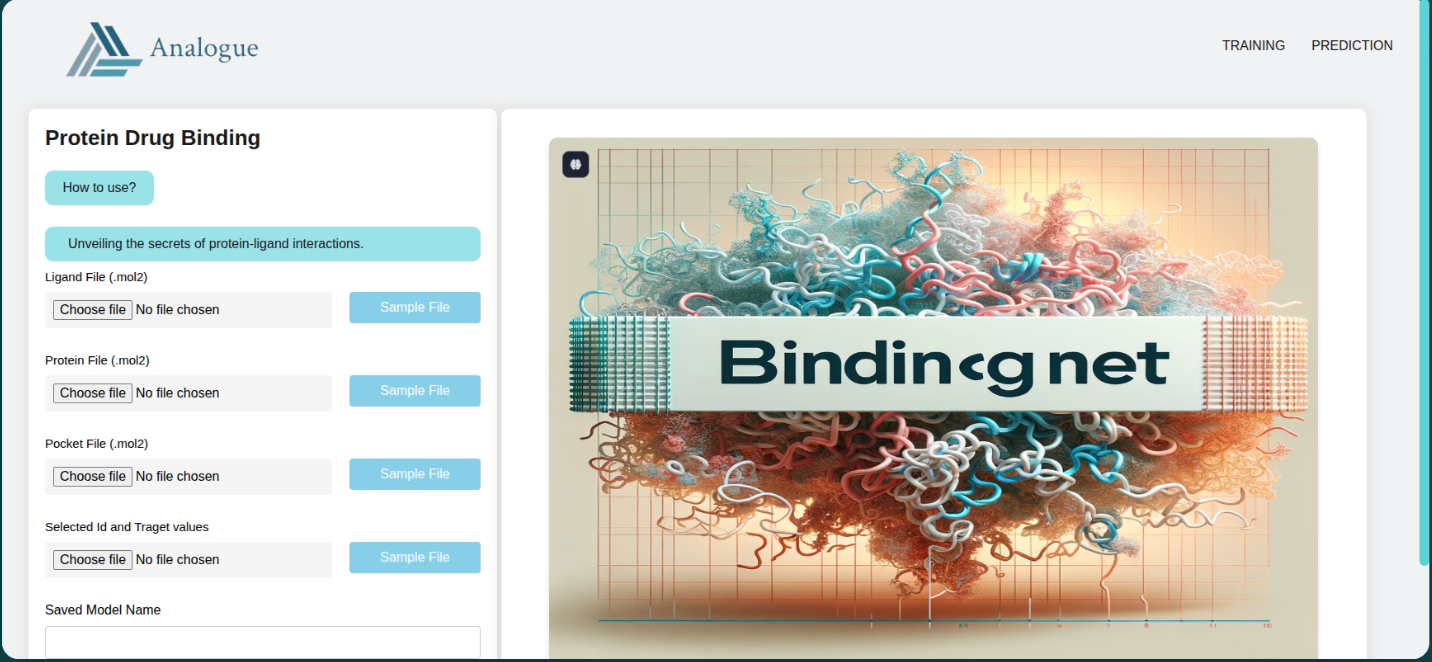
Binding-NetAna live interface

03Binding-NetAna

ScienceStructure-based binding-affinity (IC50/Kd) predictor trained on protein–ligand docked complexes, using full binding-pocket context.
EaseUpload ligand, protein and pocket files (.mol2) and predict — pretrained or retrainable on your data.
USPReads the 3D pocket, not just sequence, for a more mechanistically grounded affinity call.
Watch it in action
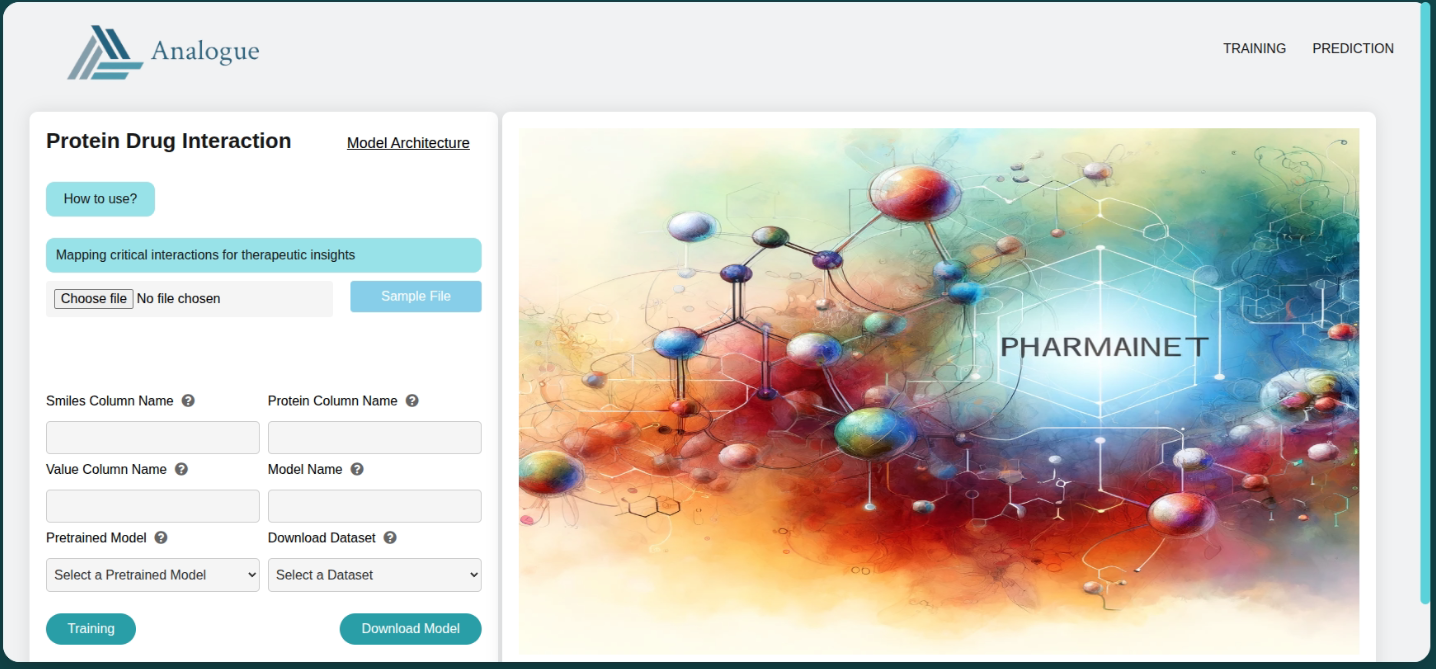
Pharmal-NetAna live interface

04Pharmal-NetAna — "PharmaINET"

ScienceSequence-only protein–drug compatibility predictor — no 3D structure required — using two independent descriptor sets.
EasePoint at your protein-sequence and SMILES columns; the model trains and returns evaluation metrics automatically.
USPSample run: R² = 0.675, correlation = 0.829 — useful precisely when you don't have a docked structure yet.
Watch it in action
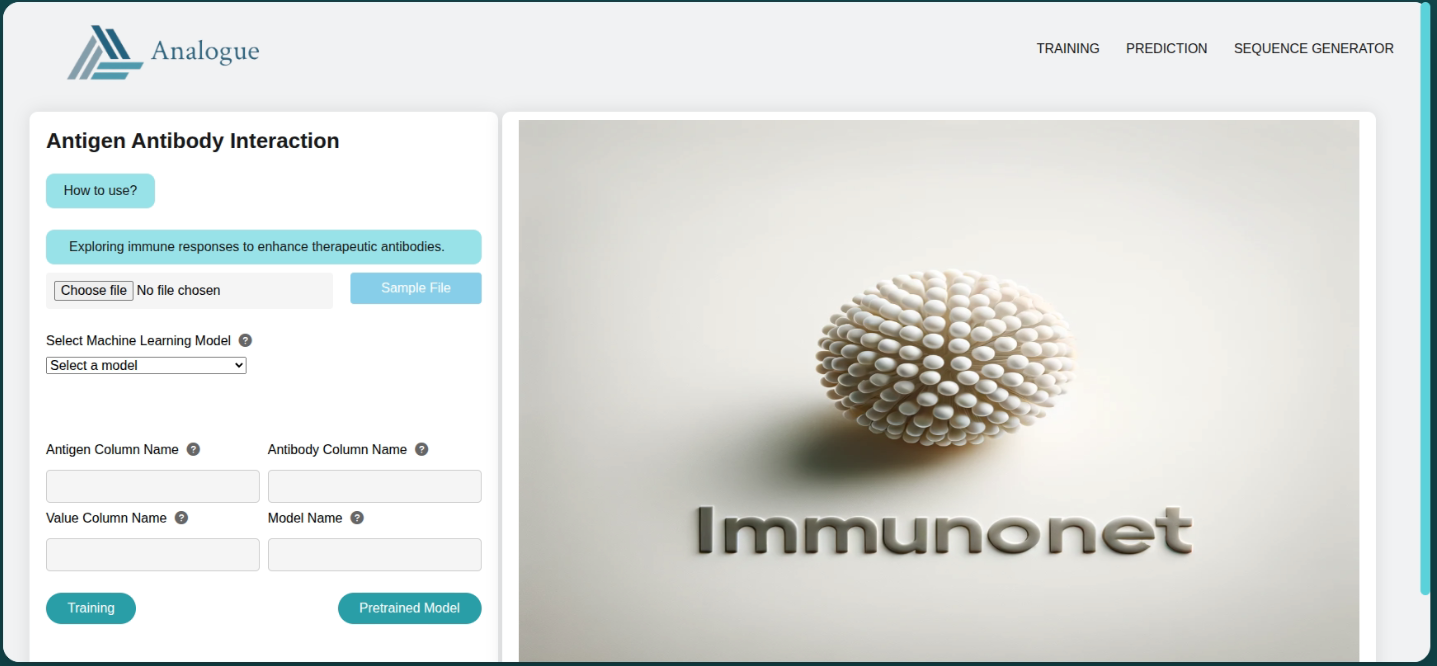
Ag-AbAna / ImmunoNet live interface

05Ag-AbAna — "ImmunoNet"

SciencePredicts antigen–antibody binding affinity (Kd) from sequence, with a built-in peptide/mutation generator to optimize antibody sequences.
EaseSingle-pair or batch mode; use the pretrained model or train your own.
USPSample run: R² = 0.613, correlation = 0.818 — one of the few Analogue-class tools purpose-built for biologics/antibody optimization.
Watch it in action
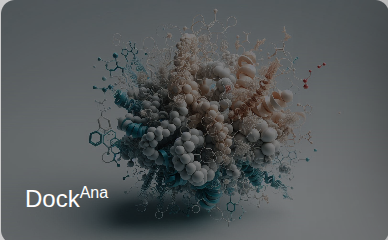
DockAna module

06DockAna

ScienceProtein–ligand docking engine combining ML-assisted and physics-based scoring.
EaseAccepts a PDB ID, PDB file, ligand file, or a plain SMILES string; real-time visualization; single or batch docking against multiple targets.
USPReturns the top 20 ranked poses per run and can batch-process several targets in one job.
Watch it in action
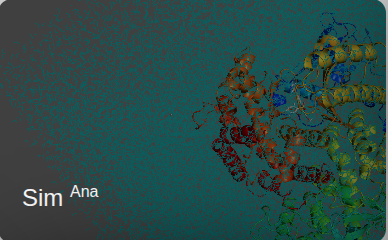
SimAna module

07SimAna — "Growdea MD Insight"

ScienceFull GROMACS-based molecular dynamics pipeline for protein–ligand, protein–protein/peptide, or protein-in-water systems.
EaseStructure prep → solvation → ionization → minimization → NVT/NPT equilibration → production, guided end-to-end in a few clicks — no manual force-field scripting.
USPRemoves the steepest part of the MD learning curve: the whole setup chain lives in one workflow.
Watch it in action
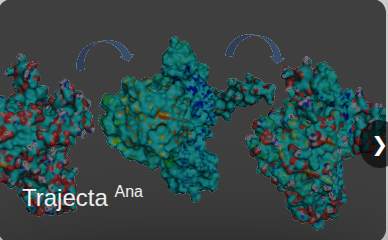
TrajectaAna module

08TrajectaAna

SciencePost-MD trajectory analysis — RMSD, RMSF, hydrogen bonding, SASA, radius of gyration, binding energy, PCA / free-energy landscape.
EaseBatch-plots multiple XVG outputs at once and auto-generates a PDF analysis report.
USPStructural, energetic and conformational-landscape analyses in one module instead of five separate scripts.
Manual available on request
FragAna module

09FragAna

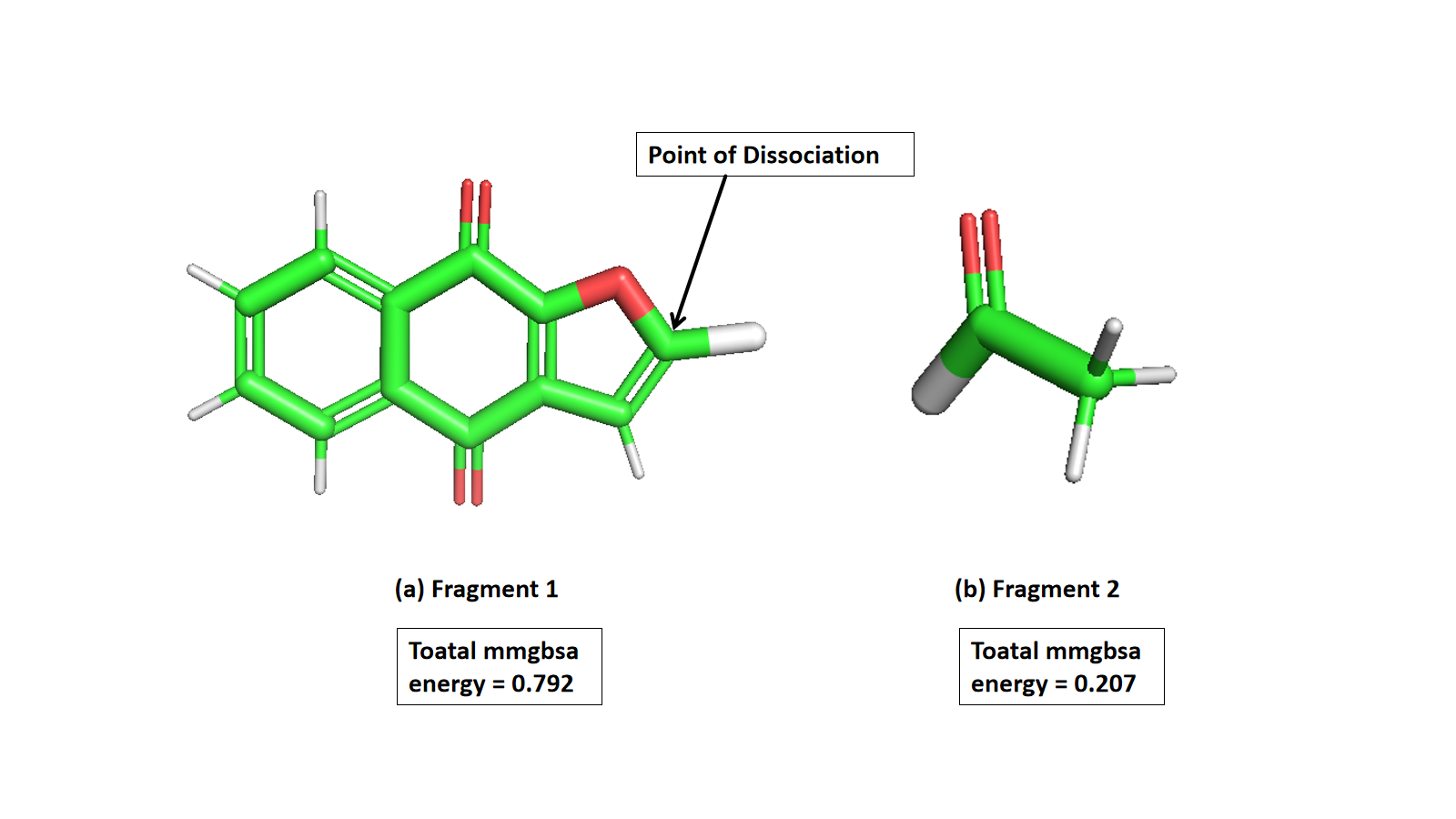
ScienceGenerates novel analogues by fragment substitution/addition at a chosen site on an already-docked compound.
EaseVisual side-by-side comparison against the original compound; top-ranked hits download directly as .mol2.
USPDraws candidates from a 700,000+ fragment library, ranked by predicted interaction/binding score.
Watch it in action
Umbrella Sampling module

10Umbrella Sampling

ScienceEnhanced-sampling module computing potential-of-mean-force / binding free-energy profiles via steered MD plus umbrella sampling and WHAM analysis.
EaseAutomated SMD-pulling and sampling-window setup, inside the same guided workflow as SimAna.
USPA quantitative free-energy check beyond a docking score — the rigor step before you commit wet-lab budget.
Watch it in action
Replica Exchange MD module

11Replica Exchange MD

ScienceEnhanced-sampling MD technique that exchanges replicas across conditions (e.g. temperature) to escape local energy minima that trap standard MD runs.
EaseSame no-command, guided setup as the rest of the MD suite.
USPRounds out Analogue's sampling toolkit for systems where standard MD gets stuck.

Newest module in the suite — ask us for the latest validation notes.

MoleuGen-NetAna module

12MoleuGen-NetAna

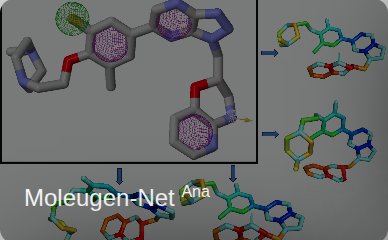
ScienceGenerative model that proposes new candidate SMILES from an input compound set — pretrained on ChEMBL, or train your own.
EaseGenerate a batch of candidate molecules in one click from an existing library.
USPThe pretrained-model option removes the "cold start" of training a generator from scratch.
Watch it in action

Platforms 02–06 — Standalone AI Products

Five purpose-built platforms beyond Analogue

Each ships as its own product — ADMET, toxicity, generative chemistry, fragment optimization and a toxicity knowledge platform — and each can be licensed on its own or bundled into the Growdea Discovery Suite.

Platform 02

ADMET-Vault

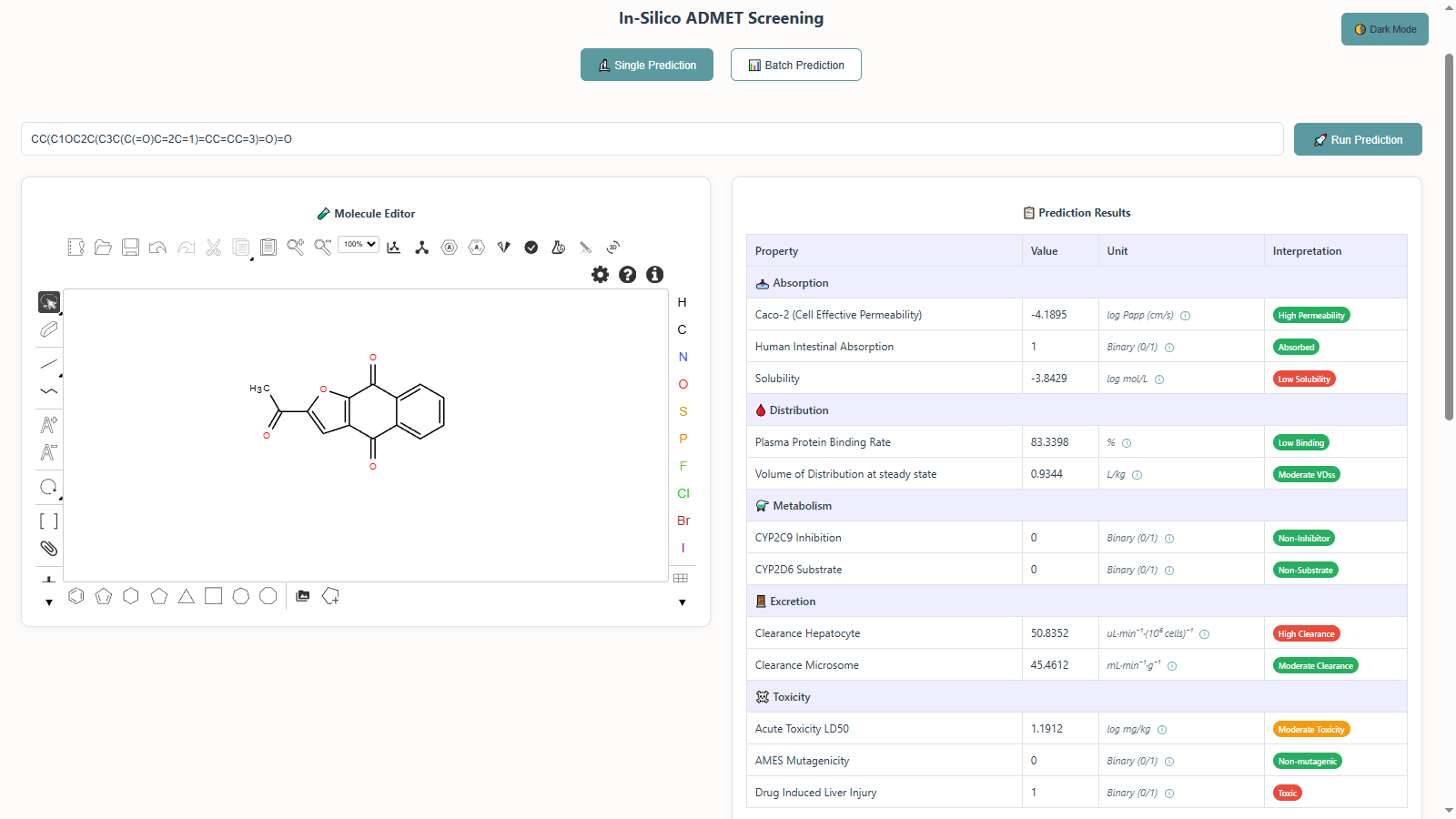
Draw a molecule or paste a SMILES string and screen it across 12 ADMET endpoints — absorption, distribution, metabolism, excretion and toxicity — benchmarked directly against the distribution of FDA-approved drugs, not an abstract score.

Ease of use
  • Web "Molecule Editor" — draw or paste SMILES, Single or Batch Prediction, CSV export
  • Visual reference bars show exactly where your compound sits vs. the FDA-approved range (mean ± SD)
USP
  • Ranks under 5 on the TDC (Therapeutic Data Commons) Leaderboard across 12 properties
  • Real-time "structure refinement cycles" — edit the molecule, recalculate instantly, watch properties move back into range
Case study: adding one −OH group moved Caco-2 permeability, solubility and 3 other properties into the FDA-approved band in a single iteration
ADMET-Vault in-silico ADMET screening interface

Live product interface — In-Silico ADMET Screening

Platform 03

BioTox

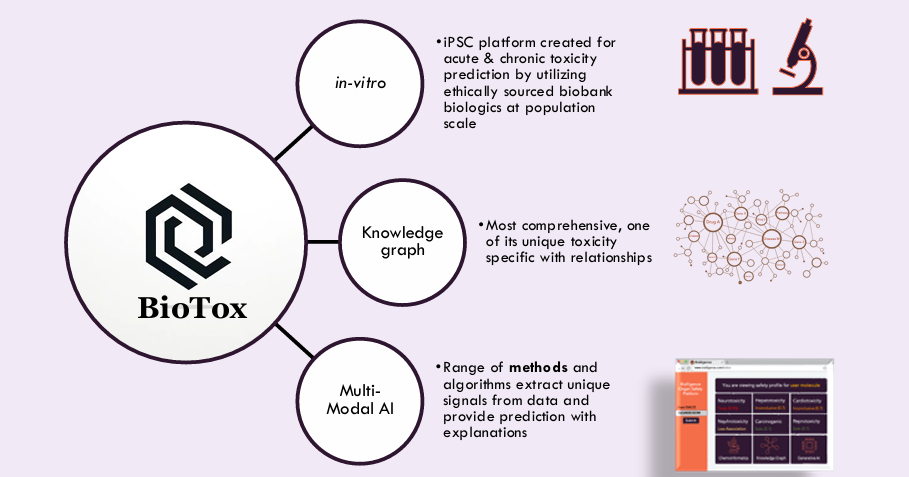
AI toxicity prediction — neurotoxicity, cardiotoxicity and more — built on genetically diverse human iPSC-derived cell assays, organ-on-chip data and high-throughput screening, not animal models.

Ease of use
  • Deploys on your own server and integrates into existing screening workflows
  • Every prediction ships with an explanation, not just a pass/fail score
USP
  • Toxicity-specific knowledge graph with 2.4M+ relationships
  • Aligned with the FDA Modernization Act 2.0 and the EU's non-animal-testing push; customizable to phenotypically distinct populations
The problem it targets: 96% of drugs that pass animal testing still fail in human trials
BioTox platform concept: in-vitro, knowledge graph, multi-modal AI

In-vitro data + toxicity knowledge graph + multi-modal AI

Platform 04

GrowGen

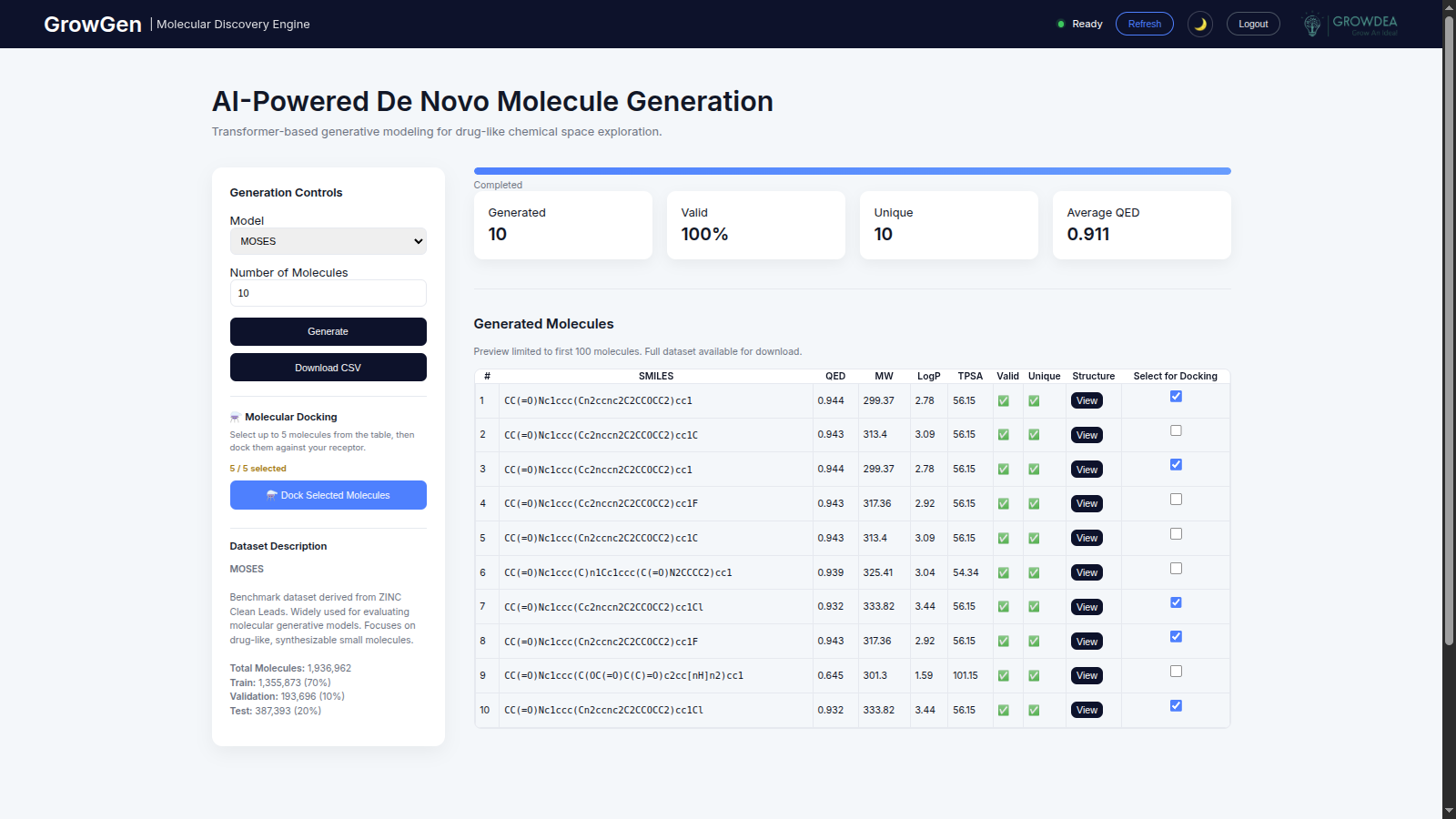
A generative AI molecule designer — a decoder-only Transformer combined with reinforcement learning (REINFORCE) — for property-conditioned de novo molecule generation, benchmarked against 7 competing generative models.

Ease of use
  • Pick a benchmark model (GDB13rand / MOSES / ZINC), set a molecule count, hit Generate
  • Validity, uniqueness and QED scored live; hits export straight into molecular docking
USP
  • >80% validity, >90% uniqueness, >99% novelty across all three benchmark datasets
  • Best-in-class QED (0.85) on ZINC against GCPN, JTVAE, MolGPT, MolGAN, GraphDF, LSTM and MolDQN
  • Avoids the mode-collapse failure seen in GAN-based competitors (MolGAN drops to 0% uniqueness on ZINC)
RL fine-tuning lifts average QED from ~0.45–0.55 to ~0.65–0.80 while keeping validity above 80%
GrowGen AI-powered de novo molecule generation interface

Live product interface — AI-Powered De Novo Molecule Generation

Platform 05

iFrag

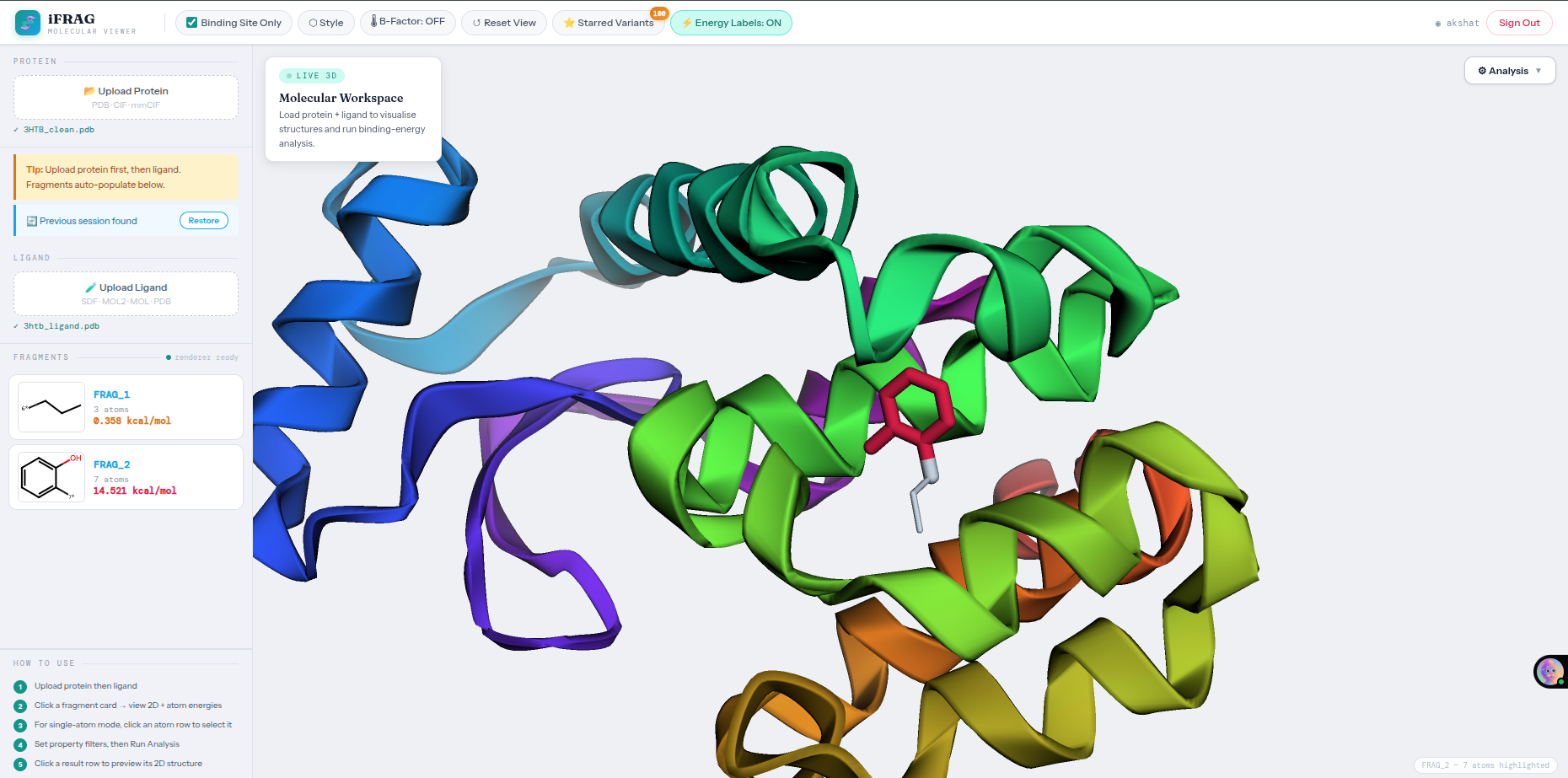
Structure-guided, fragment-based lead optimization. Given a docked complex, iFrag decomposes the ligand's binding energy per fragment, flags the weak one, profiles its pocket-residue environment, and screens a fragment library for stronger replacements.

Ease of use
  • Fully automated once you supply a docked complex — energy mapping, fragmentation and residue profiling run without manual steps
  • Returns a ranked top-100 replacement-fragment list automatically
USP
  • Screens a 708,687-fragment library
  • Classifies every pocket contact by chemical type (hydrophobic, H-bond, salt bridge, π-cation) — interaction-guided, not generic similarity matching
iFrag molecular viewer interface

Live product interface — iFrag Molecular Viewer

iFrag fragment energy decomposition diagram
Platform 06

OctaTox

A toxicity knowledge platform combining Octa-Graph (a 2.4M-relationship toxicity knowledge graph), Octa-ADR (a drug-interaction / adverse-event database) and neuro-, cardio-, hepato-, nephro- and pulmonary-toxicity models — blending curated proprietary and public data through pathway-level features.

Ease of use
  • 3-class, explainable output (e.g. Non- / Moderate- / fully Toxic) shown alongside molecular initiating events and substructure highlighting — never a bare number
USP
  • Trained on human-derived data rather than rodent models
  • Explainable-AI layer includes applicability-domain checks and structural-similarity search
Random Forest neurotoxicity model: Train AUROC 0.83 / Test AUROC 0.69, validated against FDA-approved and withdrawn drugs
Growdea hardware — OctaTox deploys on the same on-prem infrastructure

Deploys on the same on-prem / offline infrastructure as the rest of the suite

Clinical, Biosimilar & Formulation Solutions

Past the bench: trials, biosimilars, and formulation

Six further tools covering clinical trial operations, patient-facing communication, clinical safety prediction, biosimilar development and bioequivalence — plus an AI literature-search engine for the rest of your research workflow.

Clinical Trials Automation Platform

ScienceUnifies trial discovery, SMILES-based molecule & toxicity search with ethnicity-aware adverse-event insights, enrollment/site analytics, eligibility scoring and patient-profile dashboards in one environment.
EaseOne central dashboard; one-click "Search Trials" and "Explore Molecules" entry points.
USPCombines discovery, molecule safety, site selection and patient management — normally four separate tools — in a single platform.

PLS Pilot

ScienceAuto-generates Plain Language Summaries of clinical trial results aligned to EU CTR Annex V requirements, with built-in readability and compliance checks.
EaseDraft generated in seconds rather than the hours a manual PLS write-up typically takes.
USPPurpose-built for EU CTR Annex V compliance — drafting, readability scoring and compliance flagging in one pass.

Clinical Safety Platform

SciencePredicts clinical/drug toxicity from a molecule or biologic using iPSC lines, organoids and organ-on-chip data instead of animal models; OECD AOP-compliant.
EaseA 3-step flow — Input structure → AI Agents → Results — with explainable, population-level (sex / ancestry / age) breakdowns.
USPBacked by a 14M+-relation knowledge graph (Molecules → Genes → Pathways → Toxicity) and a 100k+-molecule mechanistic dataset. Positioned against the reality that 38% of drugs fail in trials on safety grounds.

BioSim-AI — Biosimilar Development Suite

ScienceHybrid mechanistic + ML suite spanning Critical Quality Attribute (CQA) prediction, cell-culture optimization, stability prediction and ICH-compliant regulatory report generation.
EaseOne modular suite instead of four separate specialists; a CQA dashboard tracks glycosylation, aggregation and charge-variant trends per batch automatically.
USPThe regulatory module doesn't just flag ICH Q5/Q6 gaps — it generates corrective guidance and a risk heatmap. Backed by 5 peer-reviewed team publications (2017–2025) on biosimilar structure and stability. Positioned to cut development timelines by 30–40%.

InSilico-BE — Formulation & Bioequivalence

SciencePredicts how formulation, excipient and manufacturing choices affect PK behaviour and bioequivalence (Cmax, Tmax, AUC, t½, BE score) before any in-vivo study.
EaseOne-screen input → "Predict BE" → instant summary. A "Formulation Copilot" AI assistant explains the prediction and suggests concrete tweaks (e.g. polymer ratio, surfactant level).
USPComputes T/R ratios and 90% confidence intervals against the standard 80–125% regulatory BE window, using PBPK priors — not a black-box regression.

GrowSearch

ScienceAI search engine for scientific and academic literature, with context-aware ranking built to handle incomplete or ambiguous queries.
EaseBasic or advanced search with metadata/availability filters; deploys on a local machine or local server.
USPA Similarity Graph visualizes how papers relate; an AI "Article Chat Box" answers questions directly against the literature; upload a figure or graph image to find related papers; export results to Excel.

Proof, Not Just Claims

Two published case studies, both wet-lab confirmed

Client names below are anonymized per Growdea's published case-study material — the workflows and numbers are reported as-is.

Case study — hit identification, neuronal-disorder target

1,003 compounds → 4 wet-lab-confirmed hits, 2 better than standard-of-care

  1. 1,003-compound library virtually screened against 9 targets
  2. Top ~50 hits per target shortlisted by scoring function across 7 targets
  3. GNN model predicted IC50 for the top 10 compounds (range 3.25–3.35 nM)
  4. 4 compounds taken to wet-lab testing — all 4 came back bioactive; 2 outperformed the market-standard comparator
Reported result: 30–40% shorter discovery timeline, 50–60% cost savings in early hit identification
Case study — therapeutic peptide vs. protein dimer

11 candidate interfaces → 6 peptides modelled → 2 confirmed binders in 6–7 months, start to wet lab

  1. AI identified 11 candidate dimer-interface regions on the target
  2. Protein–protein docking generated 1,100 total poses
  3. Kd predicted for 6 candidate peptides (1.1×10⁻⁹ M to 4.0×10⁻⁹ M)
  4. Fluorescence assay confirmed 2 peptides bound significantly at 1:10 concentration
Only 6 peptides needed synthesis and testing — full process, including wet-lab validation, completed in 6–7 months

"Avinash and his team Growdea, worked for us to analyze the pathogenicity of protein using molecular modeling and machine learning techniques. They showed a high level of expertise and dedication to their work throughout the project. I highly recommend Growdea to those looking for assistance in computational biology and machine learning."

Sherie Ma, PhD — CEO, GenieUs Genomics, Australia

"We were able to finish the entire process, including wet lab testing, within a span of 6-7 months. This achievement was made possible by the utilization of advanced computational/AI techniques throughout the process."

CEO — Pluto Biotech (client name anonymized per source case study)

Deployment

Single workstation or lab-wide server — your choice

Local Machine

A dedicated, single-user GPU workstation with up to 4 GPUs, pre-installed and shipped by Growdea. Best for an individual lab or PI group getting started with computational screening.

Local Server

Multi-user, client–server deployment on your own infrastructure, licensed per seat, scaling up to 10 GPUs. Best for a department or CRO running the suite across several research groups.

Growdea Discovery Suite bundles Platforms 1–5 (Analogue, OctaTox, ADMET-Vault, iFrag, GrowGen) at a 25% discount for single-user licenses and 30% for a 4-user server; additional server seats get a further 20% discount per platform. Suite and single-Analogue purchases include 2-day onsite training and up to 40 hours/year of live support; other single-platform purchases include the same hours delivered online.